Day 1 — Phja Thấp · Phúc Sen · Khuổi KyL · D
08:00Pick-up at your hotel in Cao Bằng City. East through terraced valleys towards Quảng Uyên.
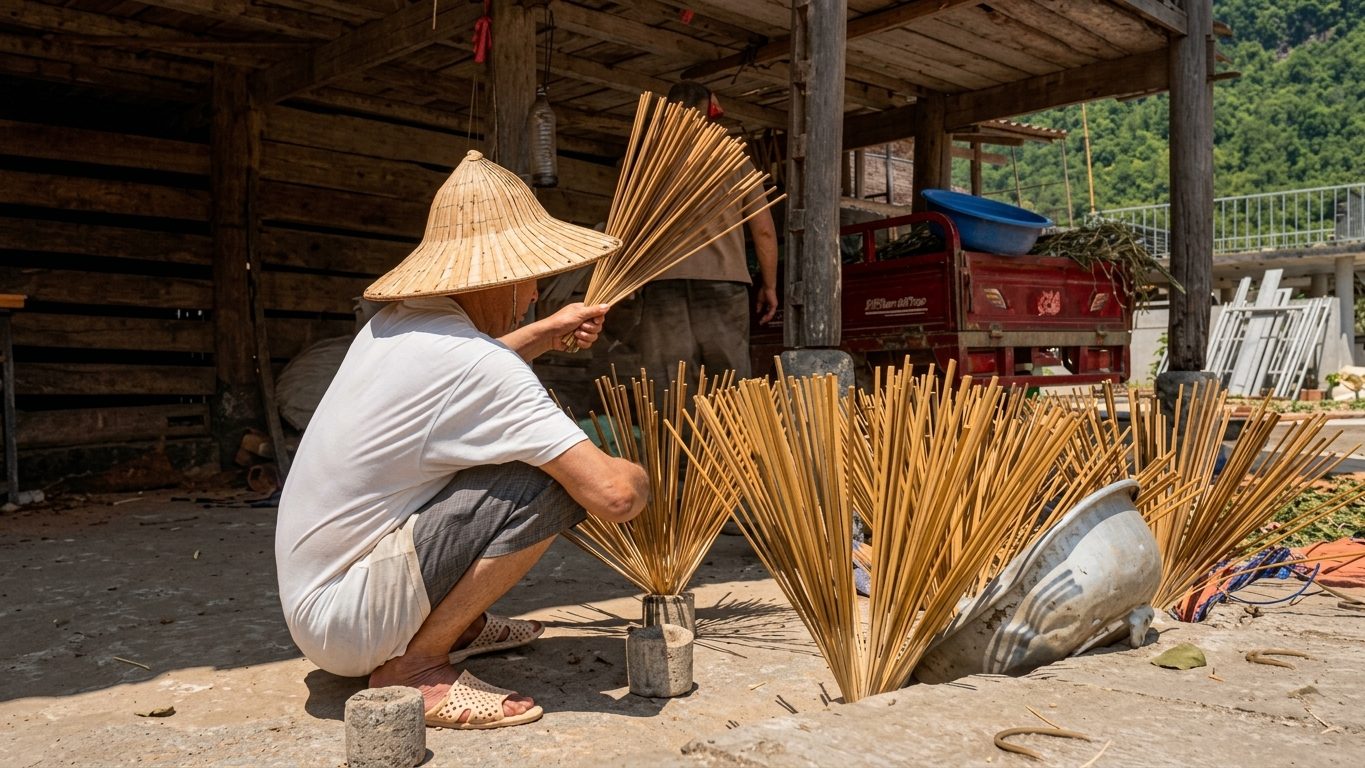
08:45Phja Thấp incense village. Nùng An families rolling incense by hand, as they have for generations.
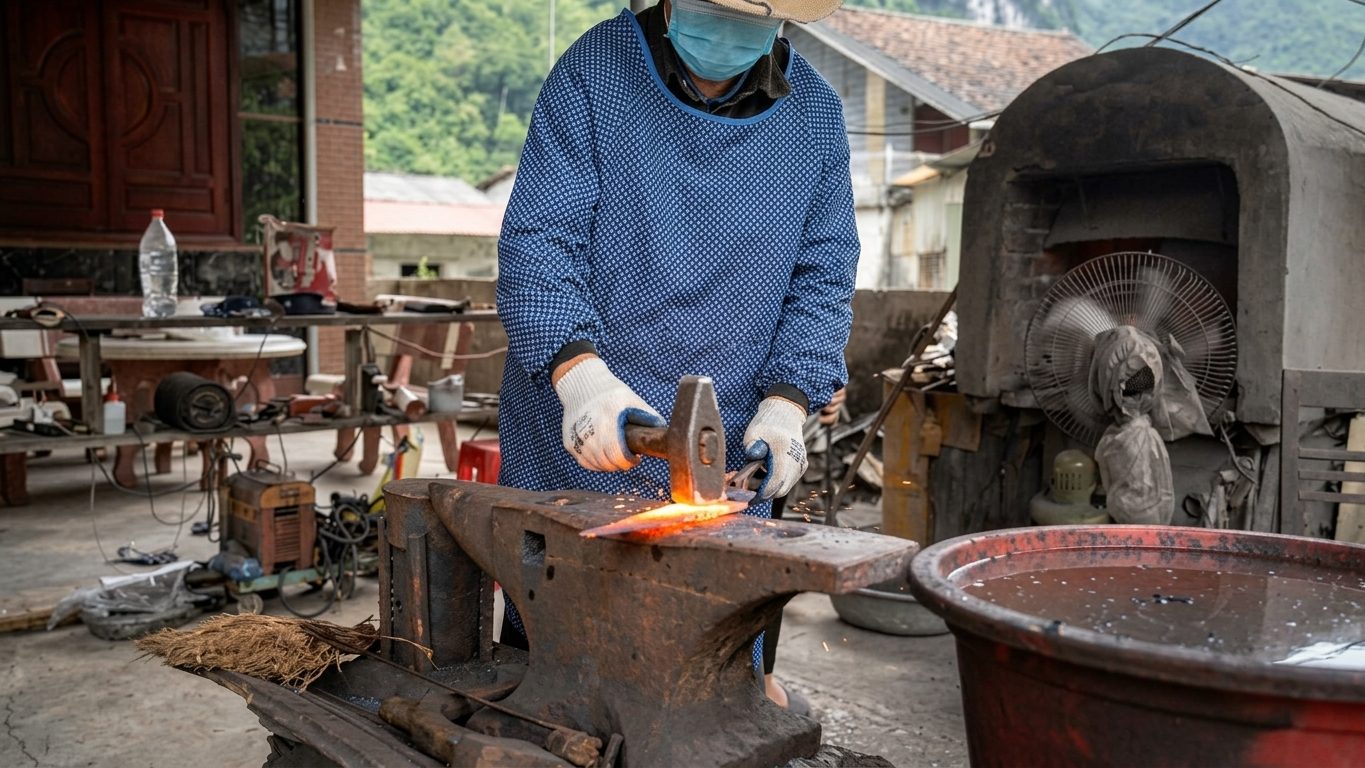
10:15Phúc Sen blacksmith village. Watch a blade drawn out, quenched and tempered over charcoal.
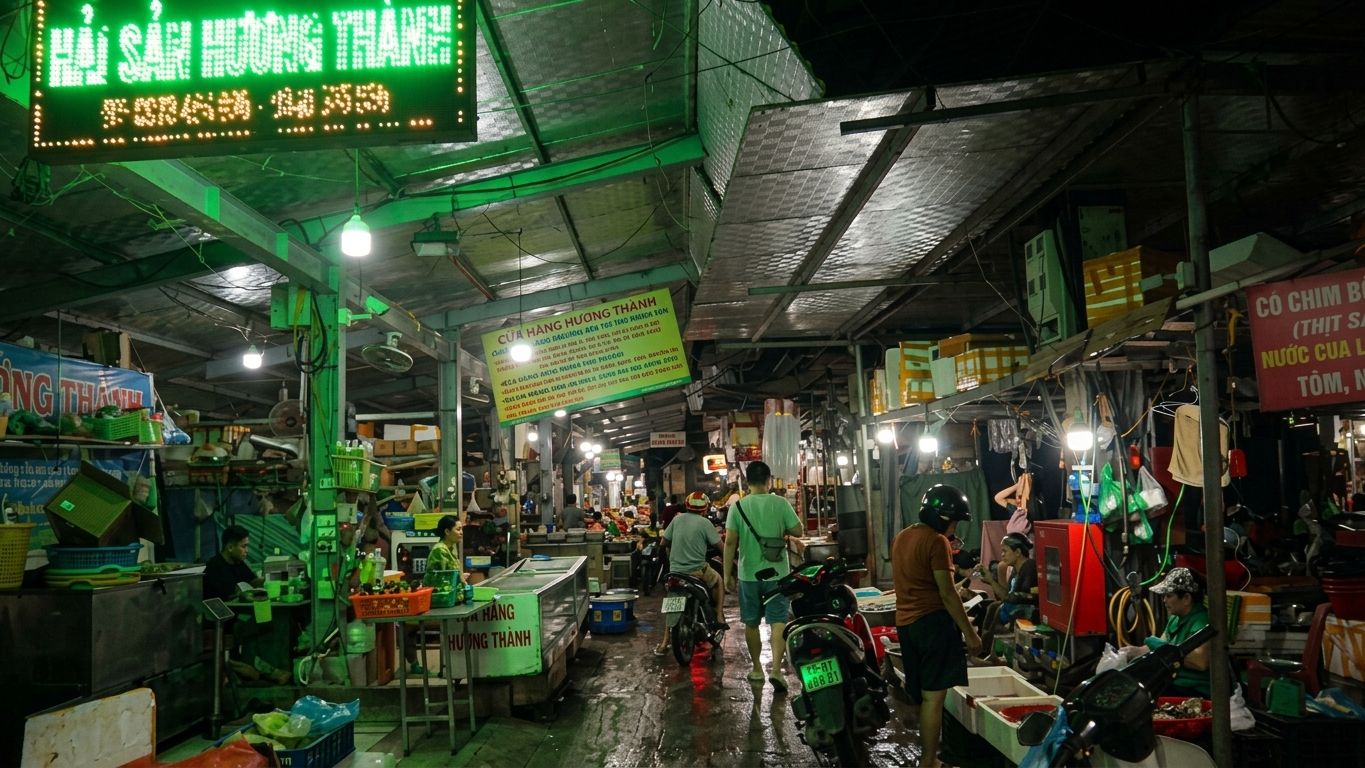
12:00Lunch in Quảng Uyên — phở chua (Cao Bằng sour noodles) and roast duck.
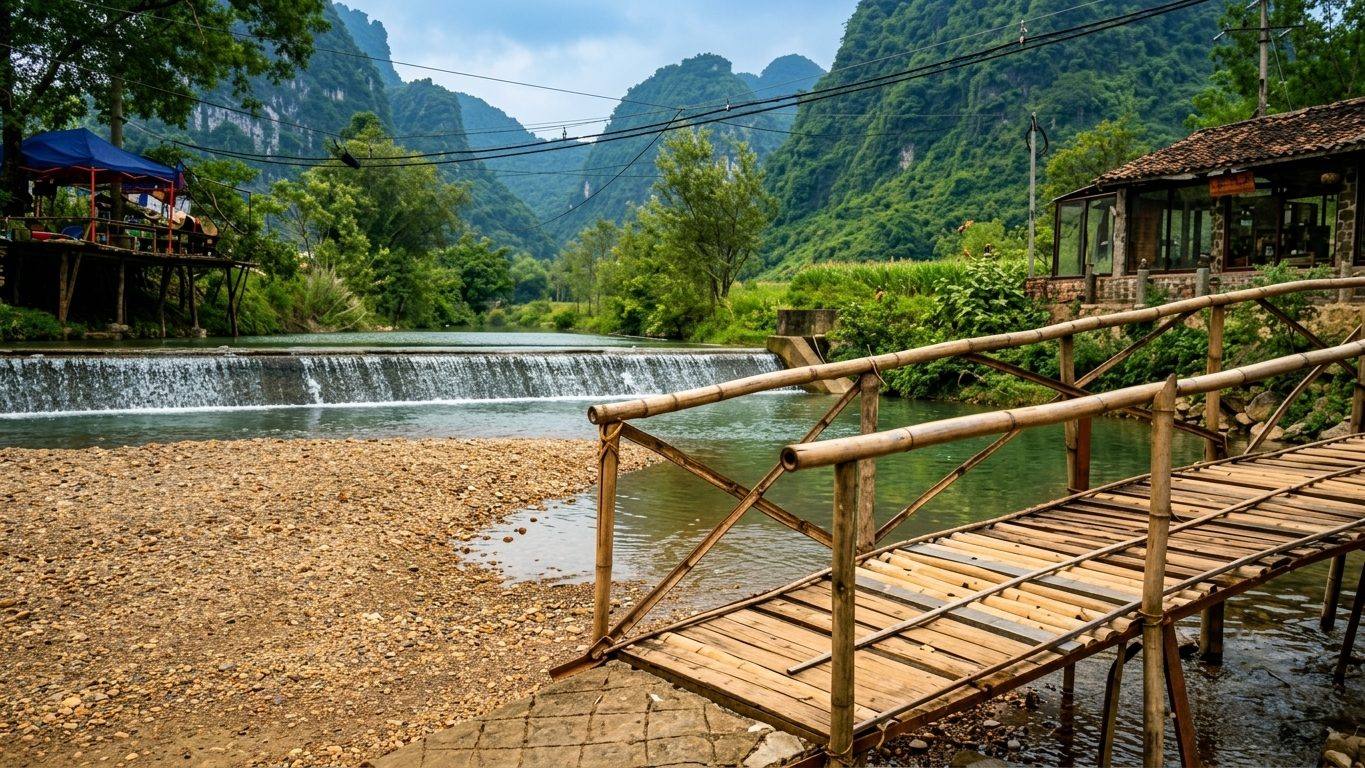
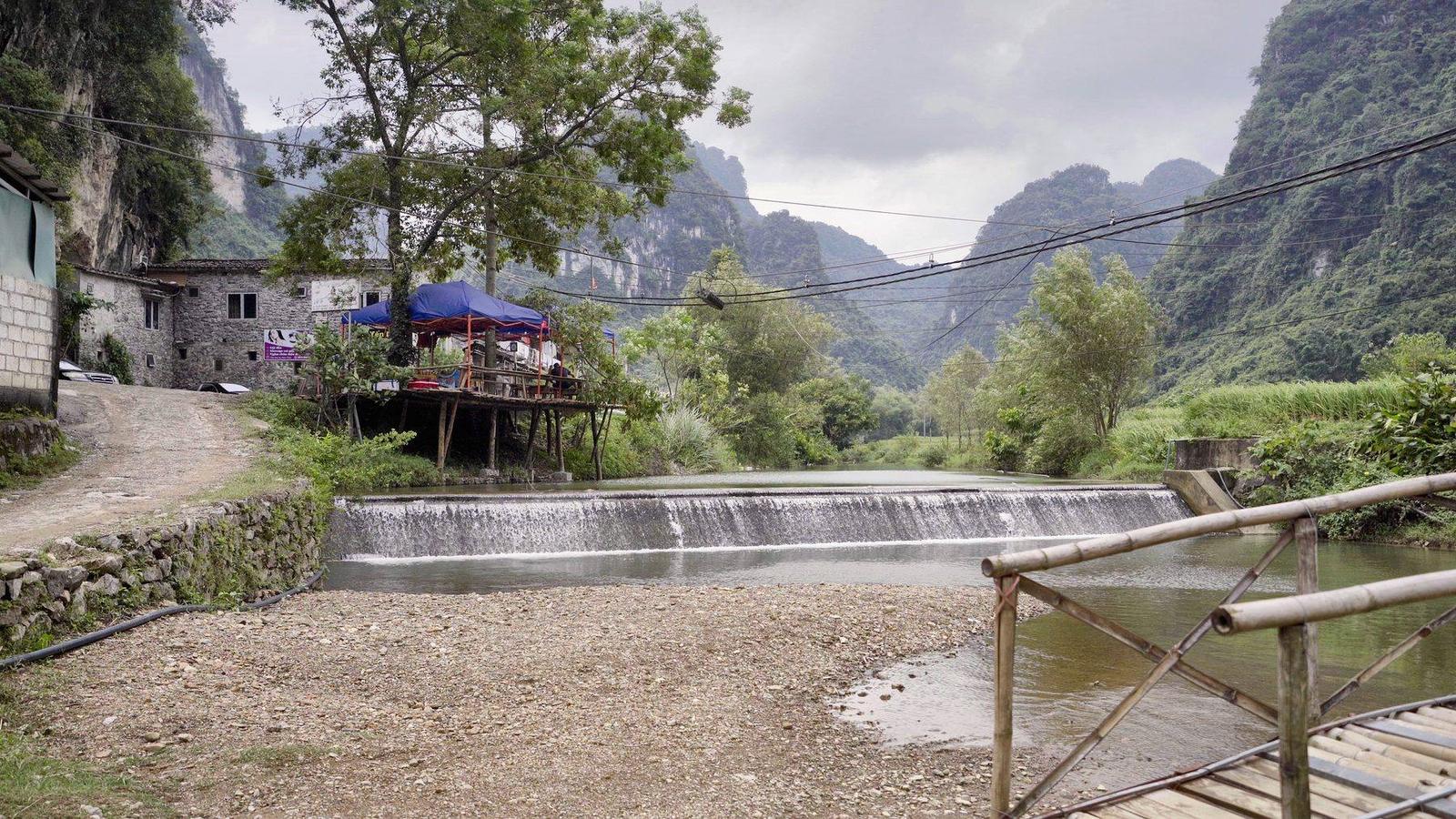
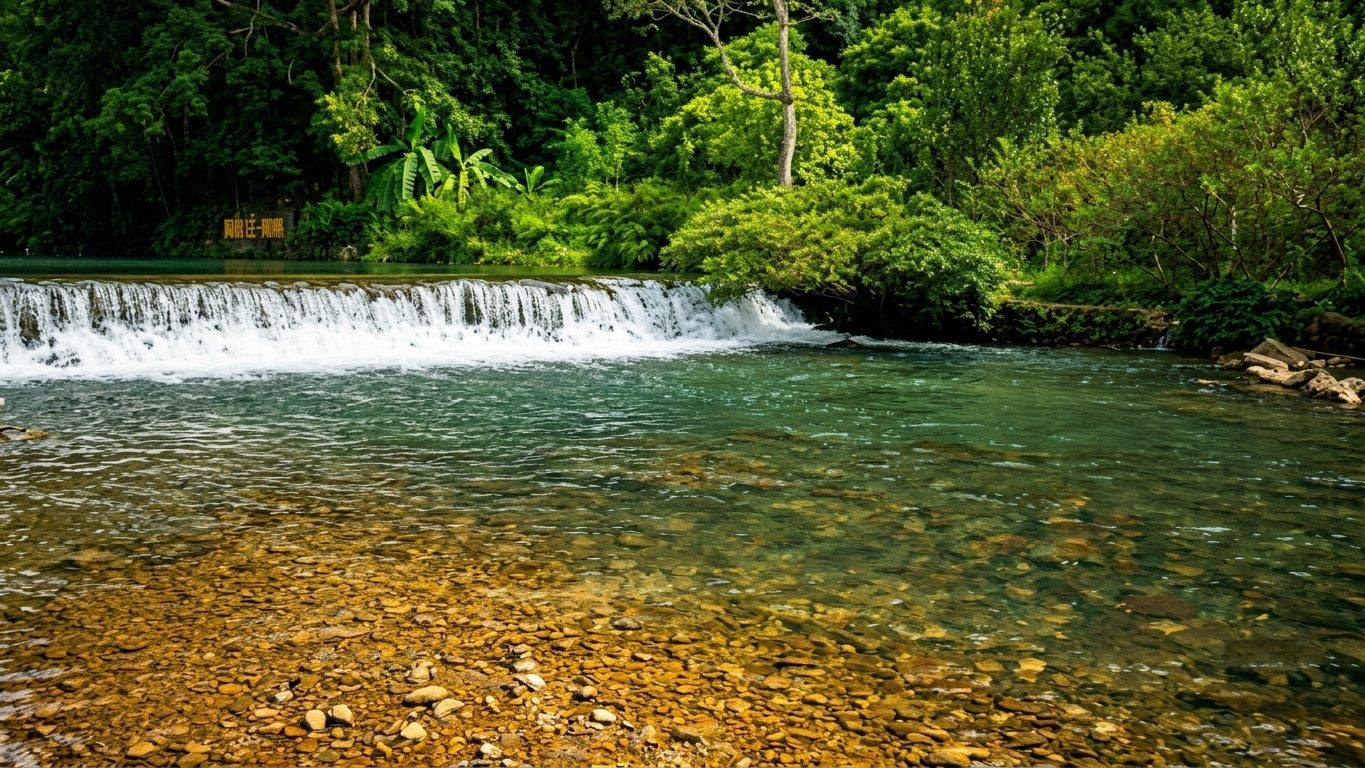
13:30On towards Trùng Khánh: rice valleys enclosed by karst towers, buffalo in the paddies.
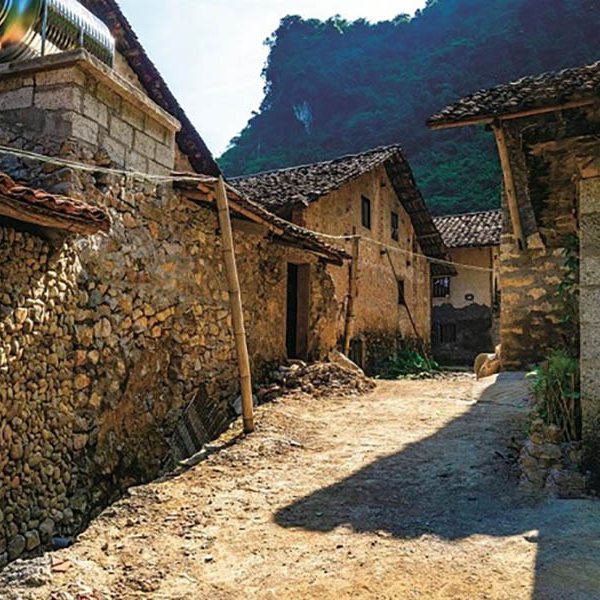
15:30Arrive at Khuổi Ky stone village — fifty Tày families, every house and pathway built from local stone.
18:30Dinner with your host family — smoked pork, forest vegetables and sticky rice, on the stilt-house floor.
Day 2 — Khuổi Ky · Địa Trên · Cao Bằng CityB · L
07:00Breakfast at the homestay. Free morning — walk up to the stone terraces, or linger over coffee as the mist lifts.
09:00Depart Khuổi Ky, driving west through the karst country.
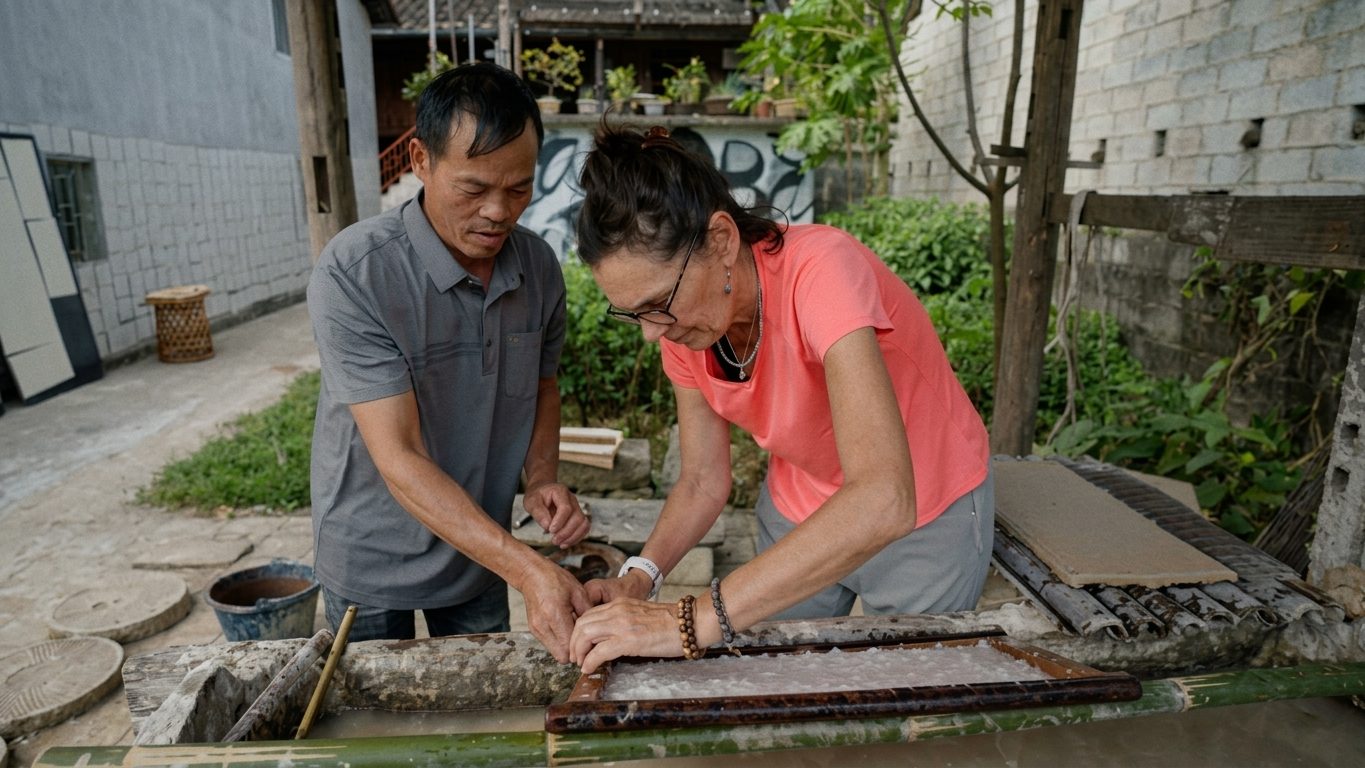
11:00Địa Trên paper village. Dó paper made the traditional way — a hands-on stop, and you keep your sheet.
12:30Lunch in Quảng Uyên.
14:00On to Cao Bằng City, arriving around 15:30. Drop-off at your hotel or the bus station.